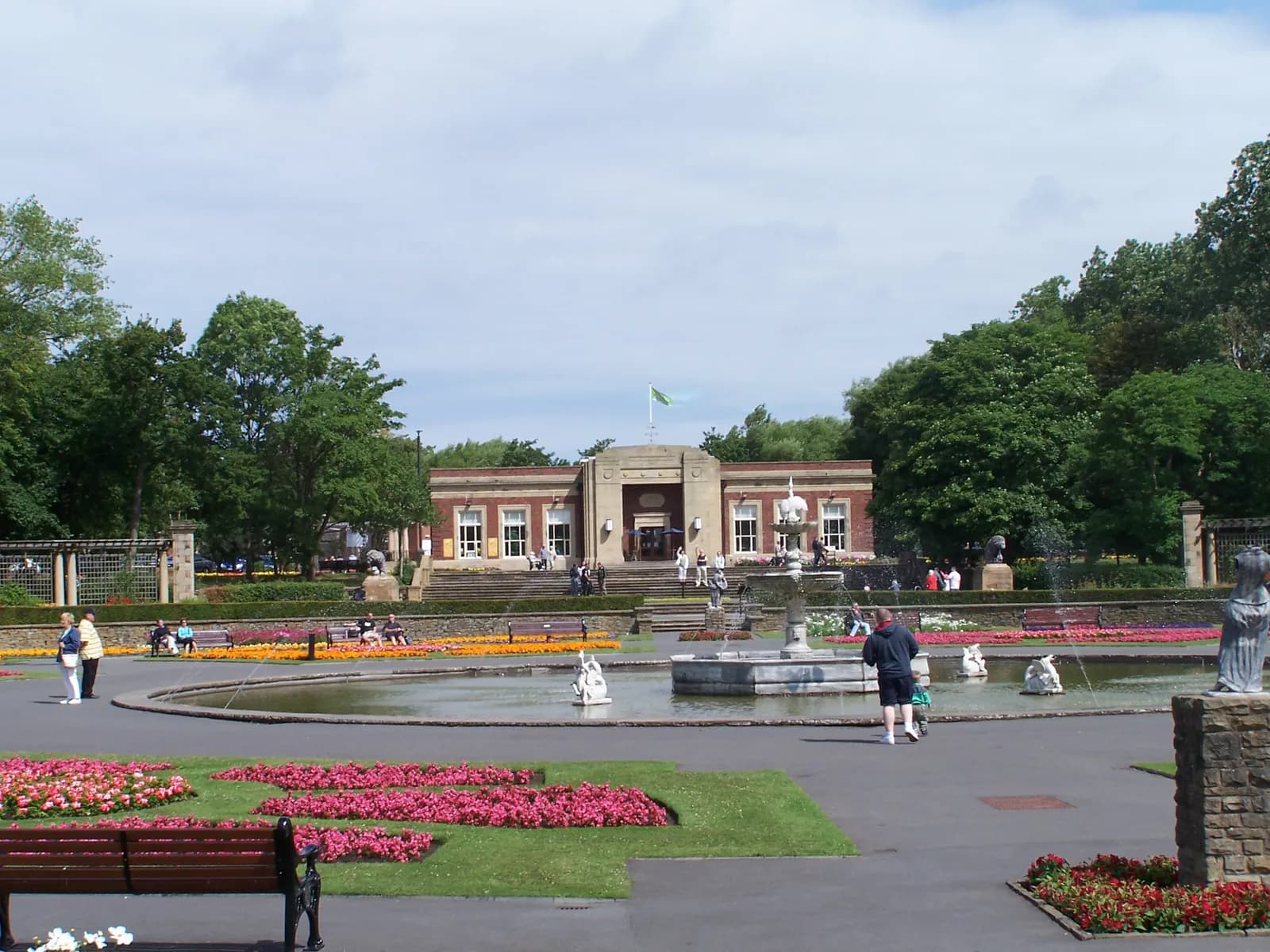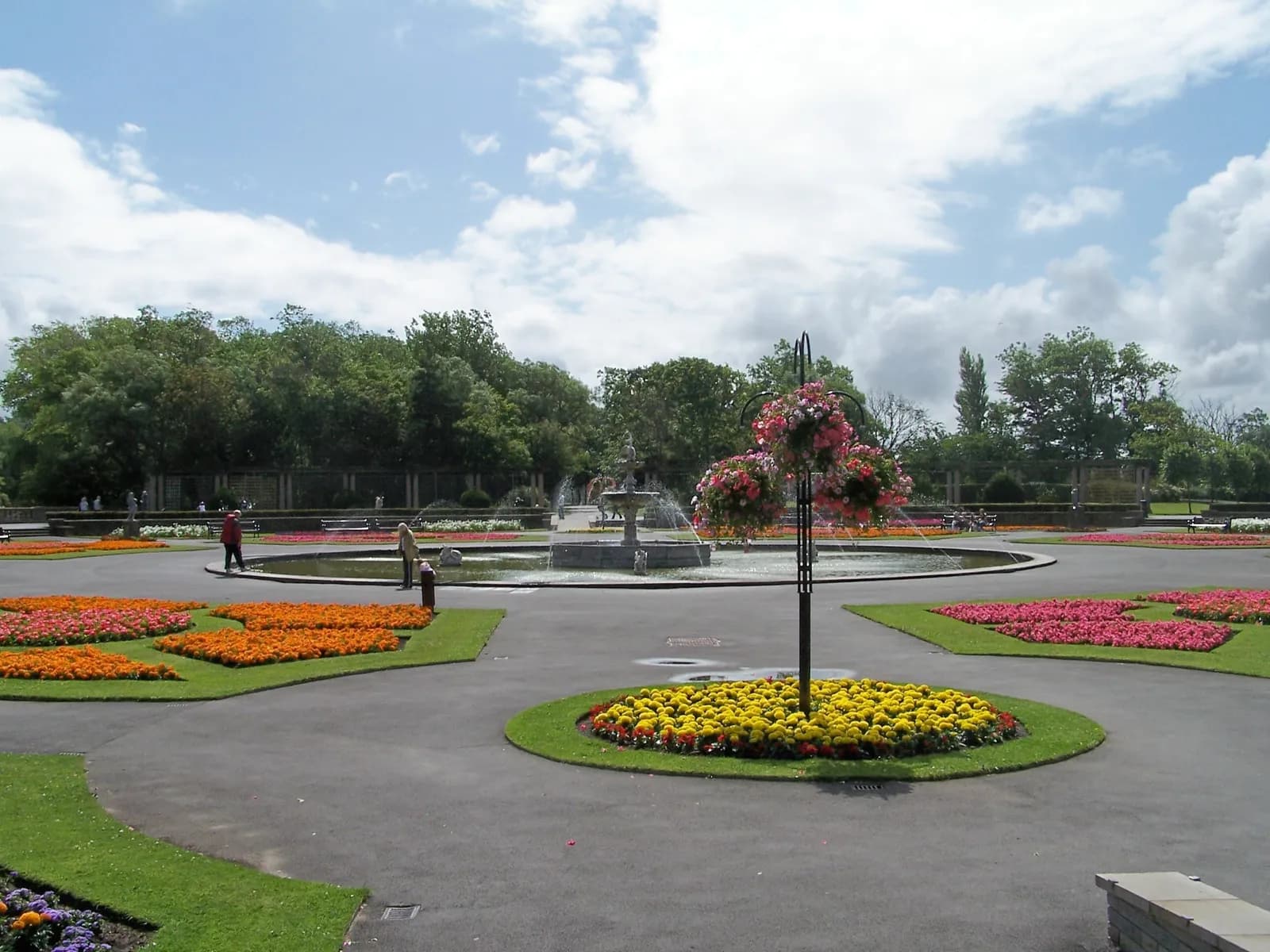
Stanley Park opened on 2 October 1926, costing £250,000, equivalent to over £13 million today. While millions visit Blackpool's seafront each year, this 256-acre Grade II* listed park, designed by one of Britain's greatest landscape architects, often plays second fiddle to the illuminations and Pleasure Beach.
A Vision for the Modern Age
The park emerged from unlikely origins. The site, purchased largely from Albert Lindsay Parkinson with additional land donated by mayor John Bickerstaffe and others, had previously housed "hen runs, pigsties, stagnant ponds, caravan dwellings and stables". One official described it as "the most heterogeneous collection we have ever come across."
Blackpool Council commissioned T.H. Mawson & Sons to transform this rough land. Thomas Hayton Mawson, who would become the first president of the Institute of Landscape Architects in 1929, drew up plans that have remained remarkably intact.
The 17th Earl of Derby, Edward Stanley, officially opened the park using a golden key at the main gates. The name "Stanley Park" honours his family.
The Mawson Legacy
Mawson's design showcases his signature approach: formal gardens merging into naturalistic parkland. The Italian Gardens remain the centrepiece, featuring a fountain crafted from Italian marble donated by Magee Marshall & Co in 1926. The garden is flanked by Medici lion statues; the originals were returned to Stowe House in 2013 and replaced with copies, joined by four new "seasons" statues installed in 2014.
The 26-metre Cocker Clock Tower, dedicated to Blackpool's first mayor William Cocker, dominates the skyline. The inscription records its construction during the jubilee year of Blackpool's incorporation.
Nearby stands the bandstand, opened on 1 July 1929, with a copper roof and classical entablature seating 2,500 people. Mawson designed the acoustics to project sound across the 22-acre boating lake, created from a natural depression using imported rock. Two stone bridges lead to a central island; boathouses added in 1935 now serve pedalos and motorboats.
The Art Deco café, another Mawson design, features brickwork with sandstone details, mahogany doors and steel-framed windows. Licensed to sell alcohol, it still hosts afternoon tea dances.
Sporting Pedigree
Stanley Park boasts a remarkable sporting heritage. The 18-hole golf course was designed in 1925 by Alister MacKenzie, the architect behind Augusta National and Royal Melbourne. MacKenzie initially deemed the original 21 hectares insufficient; the council purchased a further 20 hectares to create the current layout.
The cricket ground, formerly Whitegate Park, was renamed in 1925 and seats 5,000 spectators. It hosted its first women's Test match in 1937 and remains home to Blackpool Cricket Club. Blackpool F.C. played at the park's athletic grounds from 1897 to 1899 before moving to Bloomfield Road.
The athletics track received a synthetic upgrade in 1987 with floodlights, complemented by a 60-metre indoor track added later. The park also features six bowling greens, 24 hard and 16 grass tennis courts, hockey pitches, a skate park and a trim trail.
Modern additions include a national-standard BMX track opened in 2011, home to Blackpool BMX Club. The Blackpool Sports Centre, opened in 1996, provides an indoor sports hall, climbing wall and netball courts.
Recognition and Community
Stanley Park achieved Grade II* status on the Register of Historic Parks and Gardens in April 1986. It has held the Green Flag Award continuously since 2008. In 2017, the park won Fields in Trust's "UK's Best Park, as voted by YOU!" award, announced on 29 November 2017.
The Friends of Stanley Park, established by local residents, opened a visitor centre in August 2005 with £100,000 from the National Lottery. The park attracts over two million visitors annually. A weekly parkrun takes place every Saturday morning.
What Was Lost
Not every feature survived. The original 1.2 hectares of conservatories, replaced in the 1970s, were demolished in 2012 after being deemed structurally unsafe. Myerscough College had operated the facility from 2009 until its withdrawal. The model village, opened in the 1960s, suffered lead theft from its roofs in 2011.
Why "Forgotten"?
Stanley Park's "forgotten" status reflects not neglect but overshadowing. Blackpool's coastal attractions, the illuminations and the Pleasure Beach dominate tourist itineraries. Yet this park, built "to appeal to all ages and all classes", continues to serve that purpose nearly a century later.
The park opens daily from dawn to dusk. A horn sounds fifteen minutes before closing time. Blackpool Council remains the owner and operator.